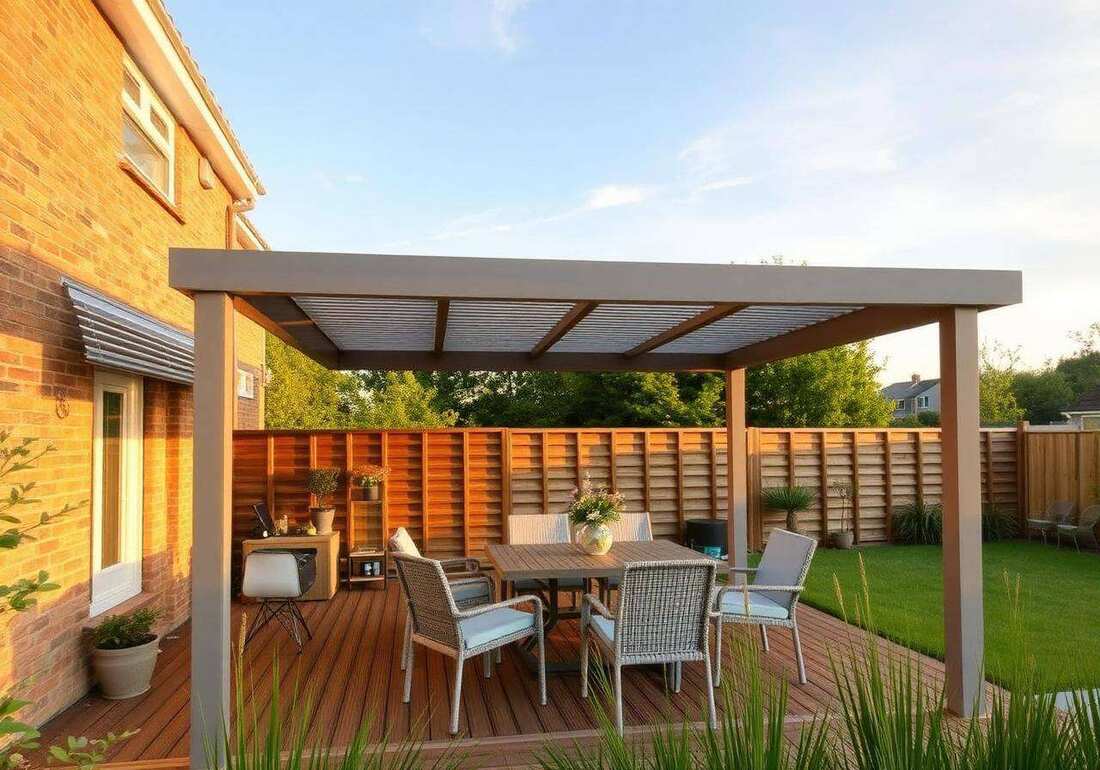
A deck that hasn’t been cleaned in a season or two doesn’t just look neglected — it becomes slippery, the surface starts to degrade, and you end up doing a much bigger job than if you’d kept on top of it. A couple of hours in spring is genuinely all it takes to keep most decks in good condition year on year.
What You’re Actually Cleaning Off
The main culprits on UK decking are algae, moss, and general organic debris — leaves, soil, pollen. These build up in the texture of the board surface, trap moisture, and break down the timber or composite material underneath if left long enough. Algae in particular is what makes decking slippery; it forms a thin biofilm that’s almost invisible until you step on it in wet weather.
Shaded decking and north-facing boards accumulate algae faster than decking in full sun. If part of your deck is under a tree or pergola, those sections will need attention more regularly.
Timber Decking
Start by sweeping the deck thoroughly and clearing any debris from between the boards. A flat-head screwdriver or a specialised decking tool is useful for getting into the gaps — compacted leaf matter sitting in the grooves holds moisture against the wood and is a common starting point for rot.
For the cleaning itself, a deck cleaner or a diluted solution of warm water and mild detergent applied with a stiff brush does the job well. Work along the grain of the board rather than across it. A pressure washer can be used but keep it on a low setting — high pressure damages the wood fibres and leaves the surface more prone to algae regrowth, not less.
Rinse thoroughly with clean water and let the deck dry fully before applying any oil or treatment. Oiling a damp deck traps moisture in the wood, which is the opposite of what you want.
Once dry, a good quality decking oil applied with a brush or roller along the grain will protect the surface and restore the colour. One coat is usually enough on a well-maintained deck. If the wood has dried out and the previous treatment has largely worn off, two coats applied on the same day — second coat while the first is still slightly tacky — gives better penetration.
Composite Decking
Composite is considerably easier to clean than timber. Sweep it, then wash the surface down with warm soapy water and a soft brush. Most composite manufacturers advise against pressure washers as they can damage the board surface and affect the warranty, though a gentle setting from a reasonable distance is unlikely to cause problems on quality boards.
For stubborn stains — barbecue grease, rust marks from metal furniture legs, tannin stains from wet leaves — composite-specific cleaners are available and worth using rather than general household products, which can discolour some board finishes.
The one thing composite decking does need that people sometimes skip is clearing the gaps between boards. Debris compacts in the grooves over time and provides the conditions for moss and algae to take hold even on a surface that’s otherwise low-maintenance.
Keeping It Cleaner for Longer
A few habits make a real difference between seasonal cleans rather than as a replacement for them.
Sweep the deck regularly through autumn when leaves are falling — wet leaves left sitting on the surface stain both timber and composite and accelerate algae growth. Move furniture periodically rather than leaving it in the same position all season; the patches underneath stay damp and discoloured. If you have metal furniture, fit rubber or plastic feet caps to prevent rust transfer onto the board surface.
On timber decks, the single most effective thing you can do is keep up with annual oiling. A deck that’s oiled every year stays in good condition indefinitely. One that goes three or four years without treatment takes a full day of cleaning, sanding, and preparation before the oil can even go on.