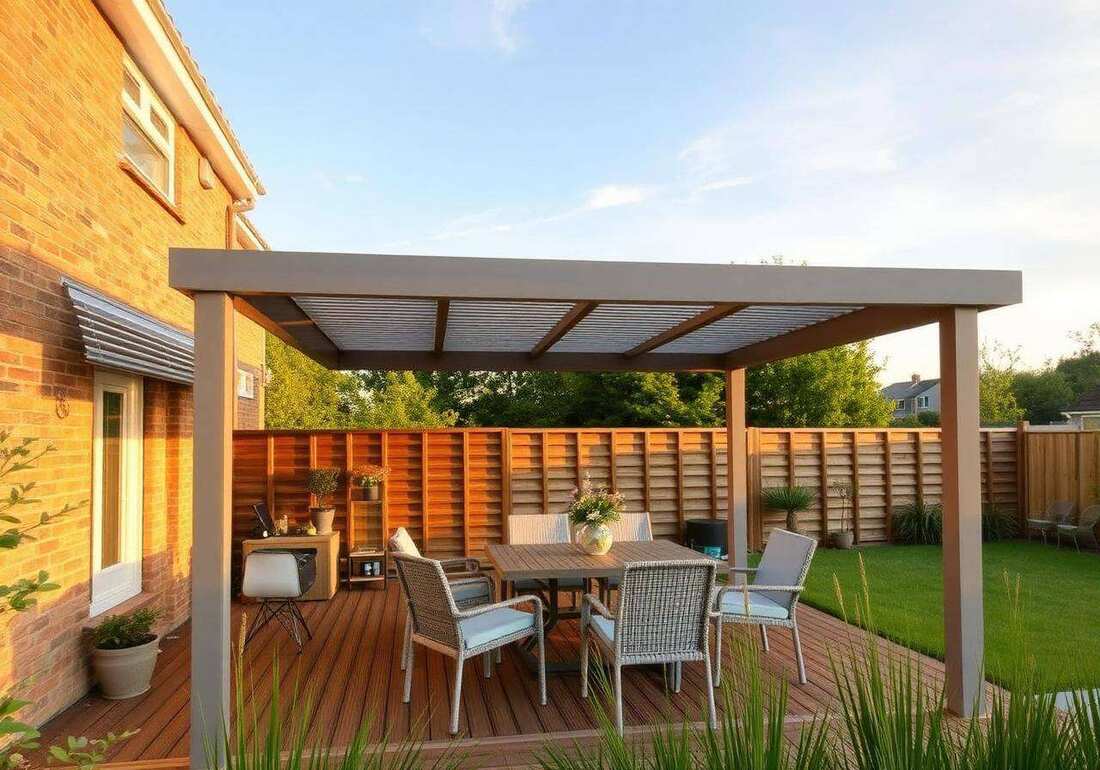
Garden sleepers are becoming increasingly popular garden landscaping materials as they can serve a multitude of functions. Some of these include raised garden beds, retaining walls, edging, garden steps and decorative garden borders. Once laid, they remain attractive for years. The laying process of garden sleepers is incredibly simple, however, a few important principles must be understood prior to starting.
Types of sleepers
New softwood sleepers are the cheapest option and come in pricerange of £10-£20 based on their size. They are a great construction option for decorative edging, borders and raised beds as well. It is important to consider they are treated to protect from wood rot, but in as short as 10 years they will biodegrade. If the conditions of the soil are relatively wet, they will degrade faster.
Hardwood (oak/tropical hardwood) sleepers are pricier, usually £30-£60, but well worth it for wet conditions as they are more durable hardwood sleepers that provide a more premium appearance as well.
Reclaimed sleepers are also more expensive. However, in addition to being a premium product, the rustic and textured appearance of reclaimed timber is a great way to add instant charm to gardens. Do note, some reclaimed sleepers are treated with creosote to help preserve the timber and protect it from wood rot. Therefore, in particular for raised beds, to help protect the soil, timber should be untreated and certified.
Sleepers to Form Raised Beds and Borders
Creating a simple single-course raised bed or border edge is a simple process. You define the bordered area, and then take away the grass and top levels of soil. You can then place your sleepers on a flattened bed. An additional 50mm of either compacted hardcore or sharp sand underneath the sleepers not only improves the drainage but also offers a better base than bare soil.
Sleepers should be staggered for corners, with each sleeper overlapping the one before, similar to a brick arrangement, rather than snugly placing them end to end. This technique is significantly more effective than traditional nailing for the corners due to the lateral strength it provides. A single course used as a border edge usually doesn’t need pinning due to the weight of the timber.
Adding More Courses
In cases where the average raised bed exceeds one sleeper in height, the courses need to be fixed together. Reinforced concrete (heavy-duty) steel rebar, is one of the best fixings for taller beds. A 600mm length of rebar can be driven through the bottom of the pre-drilled sleeper at 1 metre intervals and then hammered into the ground, providing a vertical anchor.
Galvanized timber screws or coach bolts can also be used for this purpose. It is crucial to ensure that the courses and joints between the sleepers are staggered at all times. If this is not the case, and vertical gaps are lined up, then the overall structural integrity is compromised.
While raised beds will be filled with soil, a permeable liner inside the structure prevents the soil from washing out over time while the drainage gap between the sleepers remains open.
Sleepers for Steps
Garden sleepers are ideal for creating informal steps in sloped gardens. Each tread is either one or two sleepers wide and one sleeper deep, and the sleeper below is the one that forms the riser.
For sleeper steps, fixing is crucial. Each sleeper must be pinned to the ground by means of a rebar or timber stake inserted in pre-drilled holes at either end. Steps that have not been fixed within the ground will shift due to the movement of the ground over the seasons. Uneven steps are a danger and can cause the user to trip.
The tread surfaces that have been finished either way with rough saw or with a wire brush, will be less slippery in wet conditions. Smooth cut sleepers will be very slippery and this needs to be taken into account if the steps will be used on a frequent basis.
One Practical Note on Weight
A full-size 2.4 meter oak sleeper can weigh 80kg or more, so the hardwood sleepers can be very heavy. This is not something one person can do. Due to the nature of the sleeper being so heavy on delivery day, hiring a sack truck or pallet truck will be a lot less strenuous. It is a big undertaking to reposition them, so plan your layout before you start moving the timber.