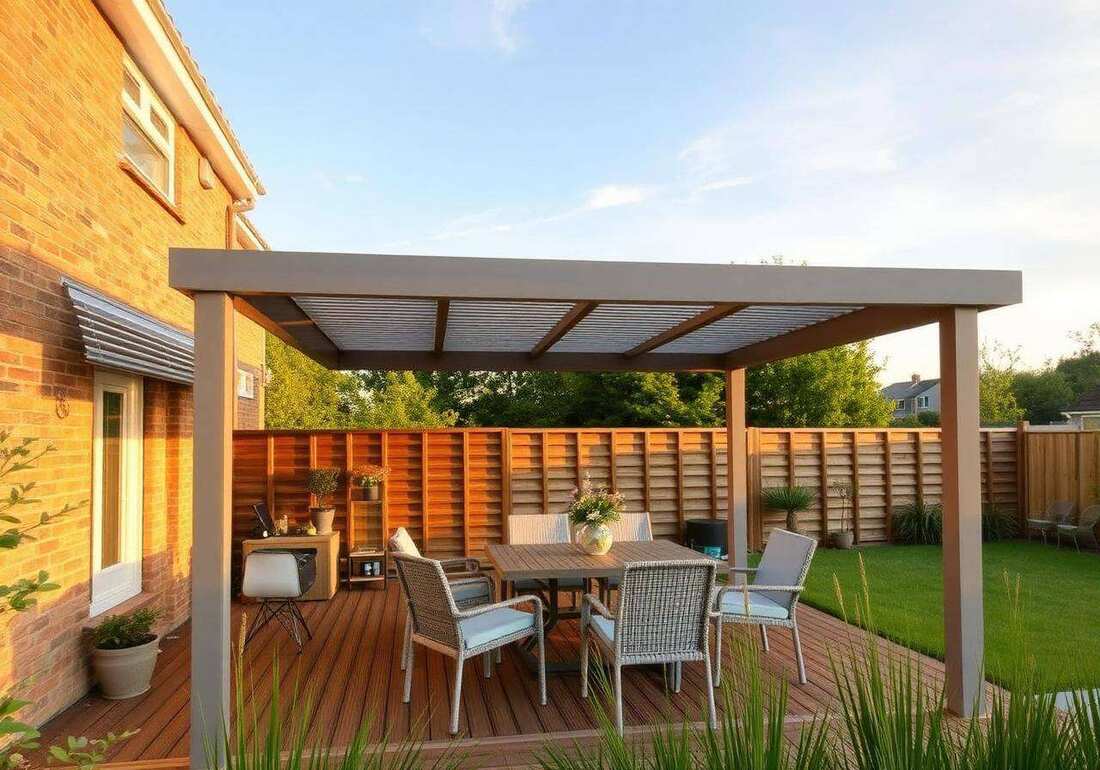
Worn garden furniture is usually a symptom of a season of neglect, but the furniture can age gracefully with some preventative tidying. This, and the following, sections hold some time-efficient tips for your furniture this October.
Start with the Cushions
If this recommendation is noted for nothing else, this is the single recommendation worth making. Storing your cushions provides the best possible preventative measure for your garden furniture, it’s also the recommended step that’s the most frequently neglected.
In the UK, cushions face damaging cycles of excessive moisture and extreme dryness. Moistened cushions most often bear permanent stains and misshapen stuffing in the spring. Misshapen stuffing leads them to a brief ed of their utility. To replace stained, misshapen stuffing and utility cushions, you’ll face a cost of over 100 pounds. In the UK, this cost is often upwards of 300 pounds. This is certainly greater than the merely inconveniencing cost of moving cushions indoors.
Patio space can be organized a great deal more to accommodate a weatherproof storage box to house cushions. Moisture-free cushions can also be vacuumed and sealed. Finally, vacuum-sealed cushions take up a fraction of the space (and substantially greater than the cost of purchasing new cushions) of their volume.
Care for Your Wicker
Authentically, a garden set comprised of low quality aluminum and synthetic rattan wicker can be left to the elements. The UK generally has mild winters.
If you plan to leave rattan outdoors, instead of trapping moisture and leading to mildew, wrap it in a cover that will not cause condensation to build rather will allow air and will keep humidity and rain off.
Fungal growth in rattan weaves is more difficult to clean out during the warm spring months than it is to remove during the fall, so before you leave your rattan weaves in the cold for months, wipe rattan down with soapy, warm water and allow it to fully dry.
Aluminium and other metal weaves allow for streamlined maintenance. For example, metal furniture with a powder-coated finish requires minimal care. Simply wipe it down to remove the coating, and inspect for chips or breaks where water could corrode the metal. If you find a chipped metal chair, let dry and reapply your metal paint, and you will have defended the metal underneath from corrosion.
Metal weaves, of wrought iron and steel, however, are much more blunt and practice much more sustained and long term rust growth. For example, with a depth control system, you leave it for the winter, where the combination of sustained cold temperatures and moisture breaks the metal paint, rust will lateral spread more quickly than in the warm months.
Filling the metal weave with teak however, is much more detrimental. It is not difficult, particularly with the increased weather-resistance provided by engineering. If you want to keep it looking new, through neither winter austere dry seasons, and spring, apply satin and keep it. If you would rather the mildewy, weather-gray furnace, then no.
Hardwoods—like eucalyptus and acacia—require additional care during the winter months to maintain. Softwood exposed to the elements for long periods of time is likely to experience damage and so should be stored under a shelter and shielded from the winter elements.
While furniture covers have utility, not all of them are created equal. When choosing a covers, look for the ones that have stuffed vale vents. Breathable ones that are well secured are a must. If the cover blows away somewhere, it defeats its purpose. When deciding on a cover, considering the winter months. Take measures to cover the furniture in the winter.
Chair legs should be elevated on small blocks or something similar. Cache it on long & wet paving stones. Stain & moisture wicking are just some of the consequences of unprotected furniture.
Once the winter months have passed, your furniture will likely be outdoors once again. Before deemed ready for the outdoors, make a point to check over all of the furniture’s fixings. Give the bolts a little bit of a turn. Folding chairs, for example, experience looseness over time. Neglecting to check over them can result in a structural failure. Certainly unideal.