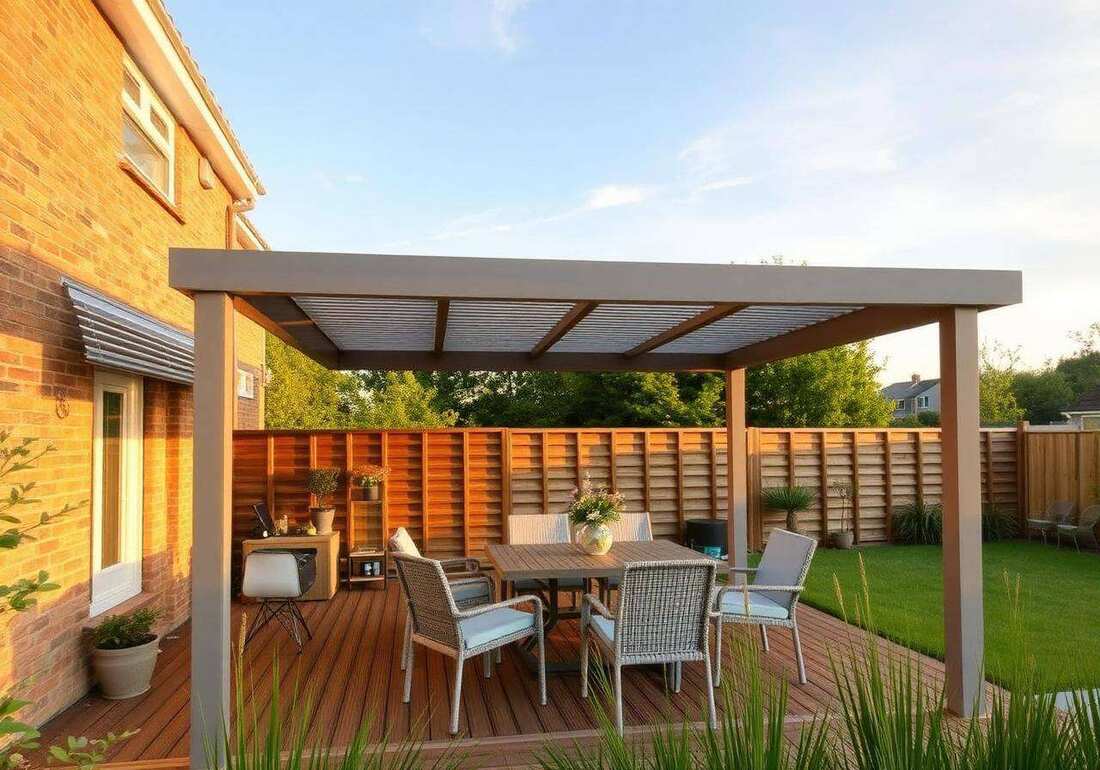
After building a new patio or decking, planting around it can be one of the most rewarding projects. It’s a stark contrast and typically looks boring to have only hardscapes. The planting complements it, and bulbs are one of the most economical methods to add color and life to the edges and boxes around a new area.
Choosing the right bulbs is just as important as planting the right ones. Some bulbs have a tendency to grow tall and can be floppy. Others do not. Some require work every year. Others do not. Some remain healthy year after year with no work.
Beneficial bulbs
Ornamental onions (Alliums) are one of the best bulbs to use with hardscapes. In the spring and early summer, they produce tall, straight stems topped with spherical purple or white flowerheads. They are the right size and add a nice contrast to the paving and decking.
Allium ‘Purple Sensation’ and Allium hollandicum are the best for border edges. Once they grow, they are drought-tolerant and help with the drier conditions around hardscapes. Even after they have flowered, the seedheads help and provide interest for the summer.
Plant bulbs in late fall at three times their depth for maximum flowering. Best results come when they are not planted singularly. Bulbs multiply with no care needed and are perennial for years.
Tulips
Tulips emanate spring vibes and brighten dull spaces in early spring. Tulips have an unmatched variety of colors and height. When spring flowers are scarce, tulips will begin sprouting their leaves early and have the ability to be an accent to dull spring spots.
Pruning is necessary to prevent tulips from becoming too tall. ‘Prinses Irene’, ‘Jan Reus’, and the dwarf Greigii tulips all fit this bill.
Decking and patios may further restrict the growing space. Double the number of tulips is a good plan of action. Elevated planting boxes and other planters can be spaced along the borders and filled with tulips. Good compost is needed to provide tulips nutrition.
Tulips do have some drawbacks. Tulips themselves are unable to naturally reproduce; tulips need replanting for a good show.
Dwarf Irises
Dwarf irises are some of the most reliable bulbs if you want color to be one of the first things to pop up in your garden at the end of winter. Many varieties of Irises belong to the Iris reticulata group, and they usually are already flowering by spring, creating colorful garden borders in February and March, even when still frosty, as they are small enough to fit in tight spaces.
Many people prefer ‘Harmony’ as it is considered a mid blue sophisticate, and ‘Katharine Hodgkin’ irises as they are pale blue and yellow, making them a beautiful and unique flower. They are a delightful addition to a border of garden planning or area, as they provide a flowering plant early and of low height in early spring growing a border periphery before the major bulbed flowers in your garden take off and height and size.
Dwarf irises could also be a plant you choose to incorporate in your small, container garden. A wonderful addition to a small patio garden, fernbox, or windowsill of an irised garden, dwarf irises would create a winter spirit.
Narcissi
Narcissi are one of the few types of bulbs that are they are one of the most helpful and hardy types of bulbs, in that they nearly completely take care of themselves once they are planted, and if a bad place, pop back up every spring as if you never planted them. They are helpful around the border of your deck or patio as the small varieties fit better in a small container than the taller and traditional varieties of daffodils.
Narcissus ‘Tête-à-Tête’ is one of the traditional varieties, but is compact, flowers early, is a small sufficient container plant, and border fit. While considered a ‘Tête-à-tête’s ‘Jetfire’ is nearly the same but even better and provides more blooming opportunity as it has exceedingly longer blooms than a number of varieties in between the blooming years.
The biggest thing with narcissi is to leave the leaves for around six weeks after the flowers die before cutting them back. Cashing in on the cut foliage both allows the flowers to bloom next year as well as ais the leaves in replenishing the bulb’s nutrients.
Using Containers
If flowers need to be in the same vicinity as your source of light (decking/patio), then most of the bulbs will be happy growing in your pots. The perk to having flowers in pots is that the pots can be moved. You can swap the positioning of the pots based on the blooms.
Unlike border flowers, pots can get extremely soggy and cause the flowers to rot in the winter if the proper drainage is not in place. Be sure that the plats have holes within the pots for drainage as well as adding grit into the soil to absorb the excess water. You can also get self or partner pots that are on a stand to improve drainage.
With a combo pot, you can have a mid to late bloom succession by placing alliums closer to the bottom of the pot, tulips mid, and irises on the very top.