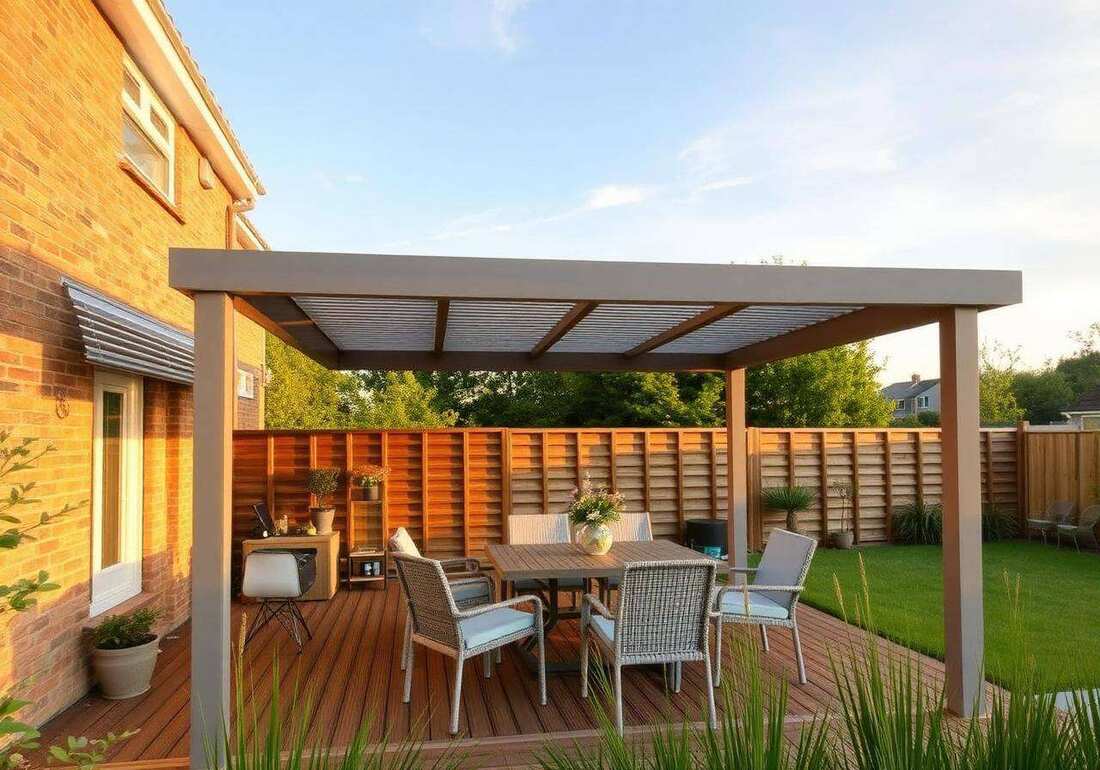
Decking colors may seem insignificant when designing a garden, but a bad one can be disappointing for some time. An excellent selection enhances your entire area, becomes obvious, and feels right.
There are a few choices for UK garden colors. Once you learn one or two, you can make decisions easier.
Grey — And Why it Rules
My decking colors are evidence of the trend of whites, browns, and greens, and even blues. The trend of the countryside and sea ends here. That’s because grey decking captures all the natural colors of the garden. It creates a relaxing horizontal space in your garden that eliminates all the competition in vertical things like your plants, and it feels relaxing and airy.
For smaller spaces, a lighter grey is best. For a larger area, and for the trend of garden furniture and walls, you should use a grey with dark tones.
Mid-grey is safest when deciding on deck colors. Mid-grey composite decking will balance crumb and debris better than lighter colors. This will be especially appreciated when the deck is either under trees or near garden beds.
Warm Browns and Natural Tones
Many gardens don’t support the use of grey colored deck boards. If your garden is your home’s oldest area, or near noble son pavings, or if you care more that your deck is an area of the garden than it is a presentation piece, use a warm brown color.
Brown composite colors pair well with terracotta garden pots, timber garden furniture, and brick. Gray is more of an informal color. More dark espresso tones have become popular. They look elegant when in the presence of pale gravel and white-rendered walls. However, they must be maintained and can hold dust and dirt.
Letting Timber Weather Naturally
Hardwood deck boards have an option around timber that no composite can fall back on: They are wood and they can be wood. They will become more beautiful overtime and homeowners want this look, and they can sit back and relax.
Applying a UV-stable preservative right after installation should be a priority. The preservative shields timber during its weathering stage. The weathering will seal the board, and the screw points soak up most of the moisture. After the preservative, the wood handles pretty much everything else.
a couple of things to steer clear of
White or very light-toned composite does not usually perform well outdoors. Falling leaf stains, leaf stains, damp stains, weathering, and other types of marks form a stark contrast to the showroom look. Before long, what was supposed to look pristine will look shabby. Light grey will achieve the brightness and look crisp without having the upkeep challenge.
Very dark composite can actually get pretty hot after some exposure to light. Unfortunately, this is not a common occurrence to the UK, but if your children like to walk barefoot on the deck, it’s definitely something to keep in mind.
Achieving the desired color
One of the best things you can do is look at color samples outdoors in your own garden. The colors in brochures and showrooms look very different then in the light of the showrooms. In the UK, the warm grey in the brochure is a blue, and the composite colors will behave different then.
Use your current garden materials to compare. Check if things click. If they do and jar when placed together, it probably continues to jar. If it requires no effort to place together, it is your colour.