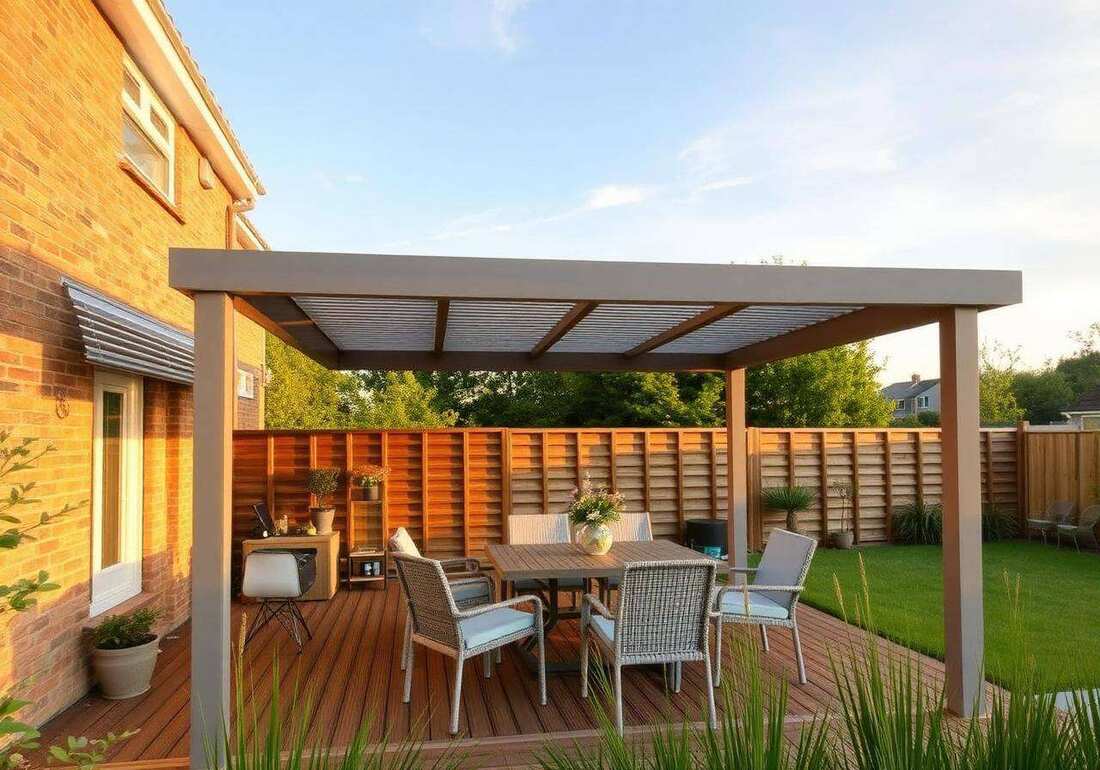
Probably only as phrase popular as, what is the best kind of decking for your deck? (decking on your decking) What is the best composite decking brand? Timber decking vs composite decking (decking they decking) Which is better decking for your decking? May the decking with the best prejudice prevail!
Nothing is more exciting than the thought of your next home improvement project – especially if it involves getting outdoors and taking on the sun DIY style! (Maybe overcast workable style – the sun is dangerous) Did they finally call for a chance of kitchen window estuary or just want to enjoy decking and watch the birds? Probably both!
Cause for Timber Wood Fiber
There’s composite decking, cause for timber wood fiber have compounded, better? Grains are a faux in the wrought of faux timber decking.
Hardwoods like oak and iroko are notable choices for UK gardens. Due to the moisture in that climate, they do not warp or crack like softwoods. Moreover, hardwood fences can last over 25 years. Soft wood fences are pressure treated and wood rot can be controlled with soft wood fences. These pressure treated soft wood fences are a cheaper option for a solid, hardwood fence and generally cost between £100-£150 for one square meter. These soft wood fences last a solid 15-20 years.
Decaying and aging of wood are an inevitable detriment to all wood. This, combined with the UK climate and the soft wood fences’ annual oiling requirement, make the soft wood fences a poor option for cost and time. There is a considerable amount of treatment that soft wood fences require to avoid the wood aging faster than the time to treat it. This wood takes only a couple of seasons of treatment to begin to rot and decay.
The Rise of Composite Wood Fences
Most new UK estates constructed in the past decade all have composite wood fences. There are a number of valid reasons why composite wood fences have become so popular. Composite wood fences are visually appealing, and retain their appeal after wood aging for a year. These fences have low maintenance and are easy to put up.
Composite wood fences, a new type of wood fence, are constructed out of a wood and plastic mash. Unlike the aging wood fences, these fences do not rot and can be easily cleaned and maintained with a light sweep and wash. These fences are convenient and low maintenance making the fences a popular option, among builders, for new estates.
The trade-off is price. Quality composites start around £150-£180 per square meter. Cheap composites are typically uneven, fade, and won’t last, negating the initial investment. A worthwhile purchase might be for the consumer going for that quality aspect of the price.
When comparing products, you should be concerned with the cassette and board construction. Solid boards boast better performance and life over hollow boards. Life is also prolonged greatly with boards that protect the rolled mechanism.
This aspect is consumer driven.
Close up, most composite boards have an artificial, embossed, repeating texture. This is especially true with the budget lines. The premium lines do a much better job of replicating the look of timber, but there are still budget composites that lack this premium finish. You should still look at the real boards.
For the cost of the premium composite lines, you’re better going for the quality hardwood. You’re much better for the clean look of the quality hardwood vs. the composite, which is generally changing color.
Dark brown and grey are the most common in the UK for composite. They’re also the most common leaves in harmony with plant and furniture schemes.
When you add the cost of yearly maintenance and the time you spend maintaining the deck, the ten-year cost of both timber and mid-range composite deck is likely not as disparate when looking purely at the initial prices. Knowing this, it is worth doing this calculation before making the decision.
The cost of the material is not as important as the price paid for the labor of the installation. Anything placed underneath your deck, like wood that allows for ventilation, drainage, and wood that holds the deck in place, will likely increase the life of your deck even without yearly maintenance.